
Calculators that show
their working.
Cable sizing, volt drop, load current and solar sizing for people who have to sign the drawing. Every result names the formula and the standard it came from, so you can check it before you use it.
Calculators
All 51 calculators →- IS 732 · IS 3961
Cable Sizing Calculator
Size a copper or aluminium cable from the load in kW, the run length and the conditions it runs in — derated current capacity and volt drop both checked.
- IS 732 cl. 6.1
Voltage Drop Calculator
Check volt drop across a run in volts and percent against the 3 % lighting and 5 % power limits.
- IEC 60898 · IEC 60947-2 · Ib ≤ In ≤ Iz
MCB & MCCB Sizing Calculator
Pick the breaker rating, trip curve and breaking capacity for a circuit — and check it actually protects the cable rather than just fitting the load.
- IS 732 · IEC 60947-4-1 AC-3
Motor Starter & Protection Sizing
Motor full load current, then the contactor, overload relay, breaker and cable that go around it — snapped to standard ratings.
- IS 1180 · IEC 60076 · IEC 60909
Transformer Sizing & Fault Level
Full load current on both windings, how loaded the transformer really is, and the terminal fault current your switchgear has to break.
- Telescopic slab billing
Electricity Bill & Energy Cost Calculator
Units and rupees for any load, through a slabbed tariff rather than a flat rate — plus the payback on replacing it with something more efficient.
Why another set of calculators
Most electrical calculators return a number and stop. You get 4 mm² with no indication of what ambient it assumed, whether grouping was applied, or which standard the rating came from — which makes the answer impossible to check and useless to defend.
These work the other way round. A result is only worth having if you can reproduce it by hand, so every calculator here shows the arithmetic it did and the reference it did it from.
The formula is on the page
Not hidden in the script. Every tool prints the expression it evaluates, with the substituted values, so the result can be checked on paper or carried into a calculation sheet that has to be signed.
The standard is named
IS 732, IEC 60364, BS 7671, NEC, AS/NZS 3008 — each page states which one it follows, because a cable size that is correct in Chennai is not automatically correct in Manchester or Melbourne.
The assumptions are stated
Ambient, installation method, grouping, power factor. Each tool sets out what it assumed and, more usefully, where those assumptions stop holding on a real site.
Every calculator is followed by around a thousand words explaining the calculation properly — what the inputs mean, which failure mode the number is protecting against, and the mistakes that produce a result that looks reasonable and is not. The field notes go further into the same ground: derating tables, short-circuit withstand, why lighting gets 3 per cent and power 5 per cent.
Where to start
Four jobs that come up constantly, and the order the calculations actually go in.
- Sizing a cable
- Design current first, then derating for ambient and grouping, then the tabulated rating, then volt drop, then short-circuit withstand. Skipping the last one is the most common way a cable that passes every other check still fails under fault.
- Starting a motor
- Full load current decides the cable and the overload relay; starting current decides the starter and how hard the supply is hit. They are different numbers, and using the nameplate figure for both is what undersizes switchgear.
- Specifying a transformer
- The kVA rating is the easy half. Per cent impedance sets the fault current at the LV terminals, and that figure is what every breaker and busbar downstream has to be able to survive.
- Sizing a solar system
- Size against daytime consumption rather than roof area. Self-consumed units are worth full retail tariff under every policy that exists; exported units are worth whatever the current rule says, and the rule changes.
Latest posts
All posts →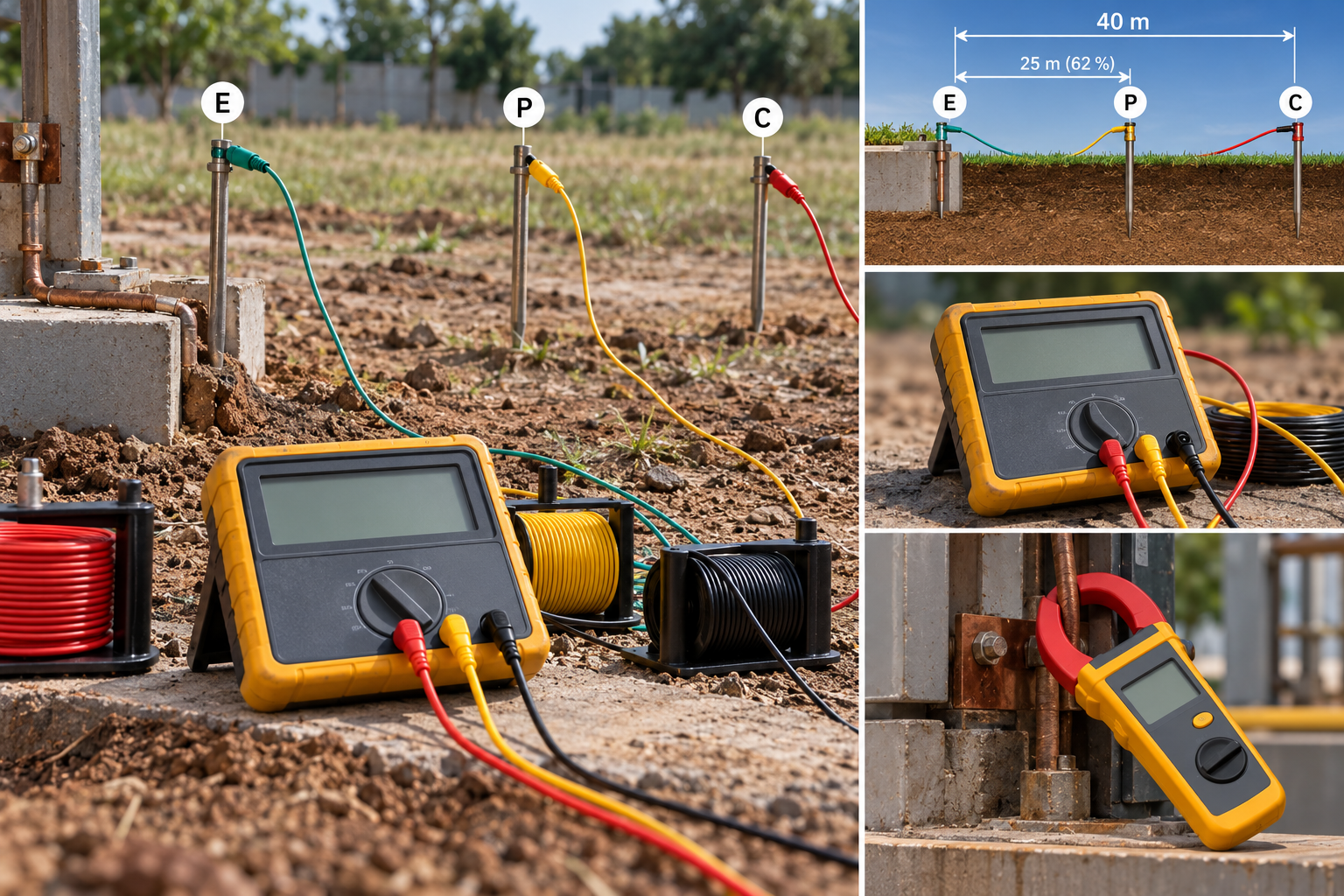
Earth resistance testing: the 62 % rule, and when the clamp-on lies
Fall-of-potential done properly, the three-position check that proves it, IS 3043 limits by application, and when a clamp-on tester measures nothing.
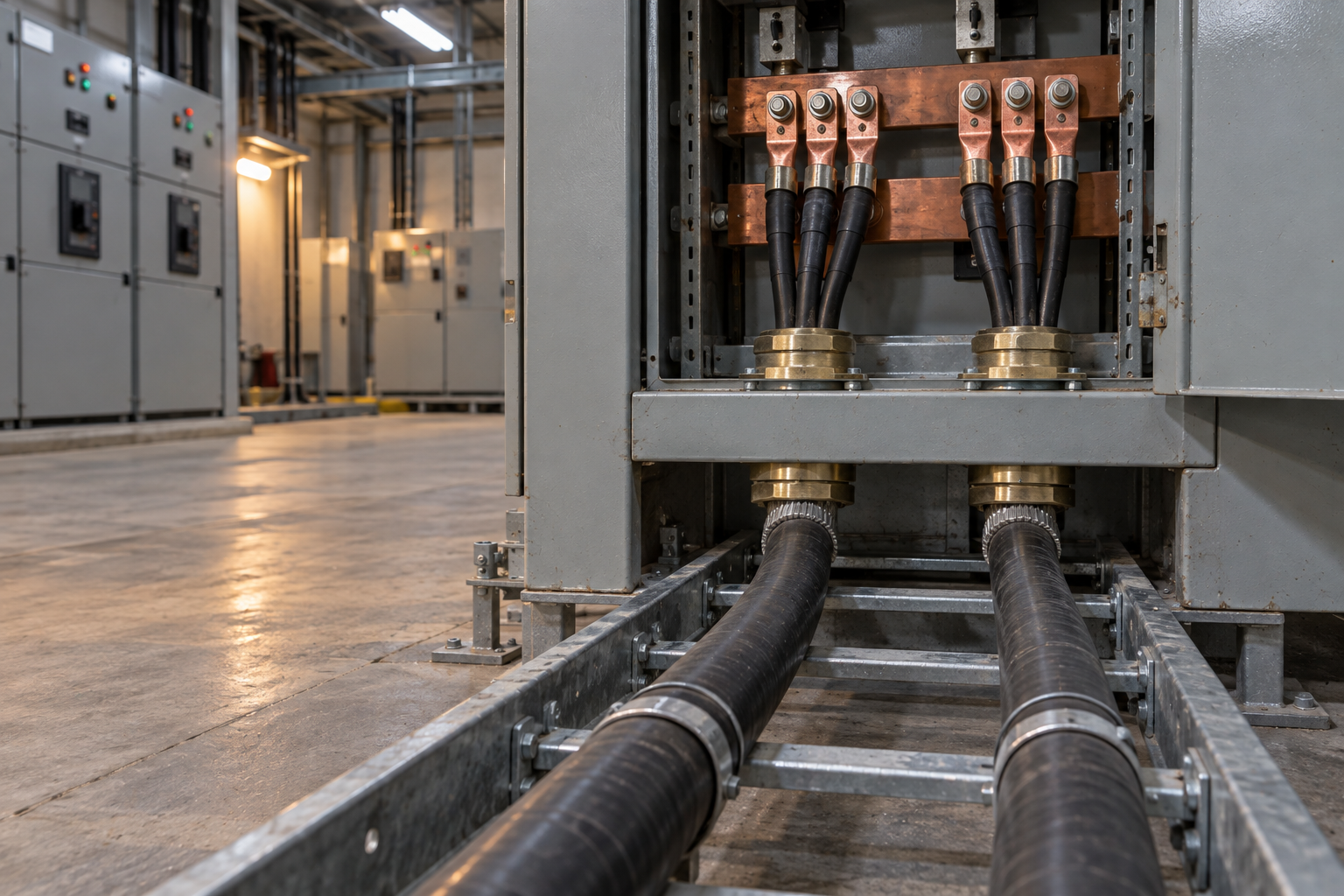
Cable size for large loads: when to run cables in parallel
Above 300 mm², a bigger cable size stops paying. When to run cables in parallel, the six rules for equal sharing, and the overload no breaker can see.
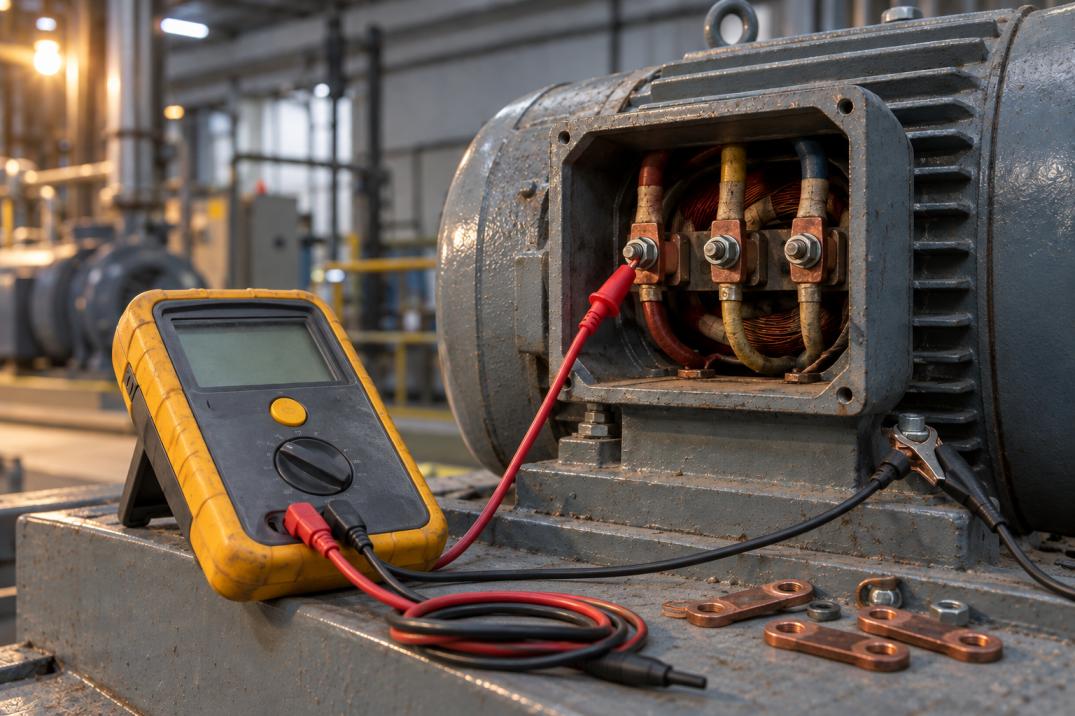
Insulation resistance test values: what passes, and when to reject
What a megger reading means: IS 732 and IEEE 43 limits, temperature correction, polarisation index, and the three things that fake a failure.
Who writes this
EnergyCalcHQ is written and maintained by Divakar B, IOT Engineer with Electrical with 9 years of experience in IOT and Electrical Engineering. Every calculator, every reference table and every article here is original work, checked against the standard it cites.
The calculators are a starting point for a qualified engineer, not a substitute for one. They do not know your ambient temperature, your grouping, the state of your supply or the equipment you have actually bought — so a figure from this site should be verified against the current standard and the manufacturer's data before anything is built from it. That position is set out in full on the disclaimer.
Corrections are genuinely welcome and are the fastest way to improve any of this. If a calculator returns a wrong number, send the inputs you used and the result you expected through the contact page and it goes to the top of the pile. More about the site and how it is put together is on the about page.